
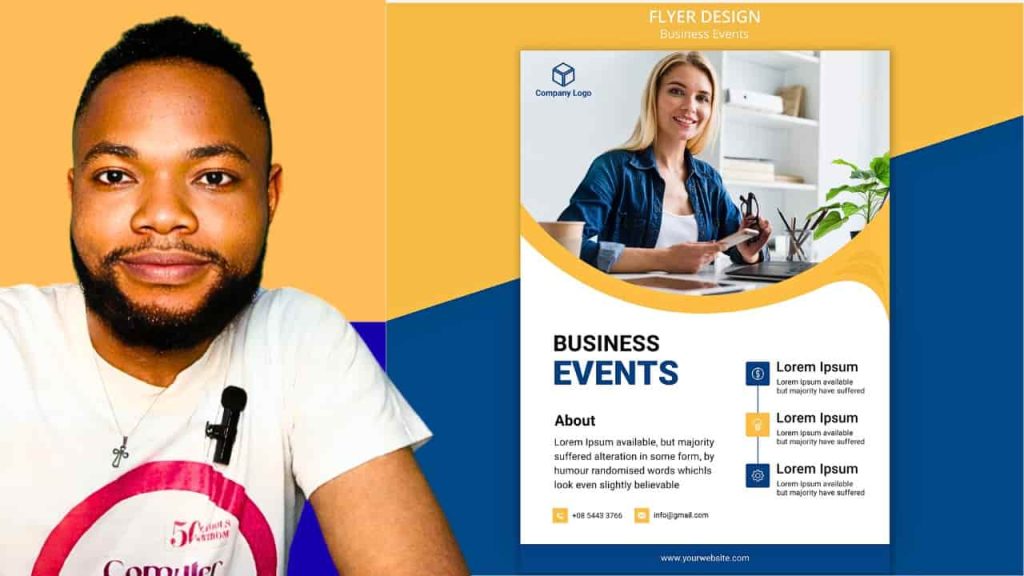
Most people do not spend more than a few seconds looking at a flyer. This is the fact many designers don’t consider.
Your flyer is competing against other social media posts, notifications, videos, conversations and other social media elements. As soon as the design does not grab attention, the individual doesn’t read anything. That’s why creating a flyer isn’t simply about creating something “look nice.” It’s all about making something that is able to convey information immediately.
A good flyer will capture the reader’s attention, lead the reader’s eye and present the information in a manner that is easy to understand. A poor flyer is confusing, too busy or forgetful. What make your design extraordinary does not depend on expensive design tool. It’s all a matter of creativity, clarity, structure and design decisions.
If you’re seeking to get better results from your flyers and have them look more professional, here are some things you should know.
Start With the Message, Not the Design
One of the most common mistakes that beginners make is opening up design software before they’ve an idea of what the flyer is for. Before selecting colors or fonts, you must have one answer – it’s clear:
What is this flyer trying to achieve?
For each strong flyer there is one main objective. It could be used to promote an event, to announce a sale, advertise a service or to invite people to a program. Whatever the objective or end result, it should influence each and every design choice. If the message is not clear, the design will become cluttered as too much information will be competing for attention.
People should not have to “study” your flyer before understanding it. After a few seconds they should already be familiar with what it’s about and what they should do. The key to good flyer design is clarity.
Your Headline Determines Whether People Continue Reading
The title is typically the initial thing that catches the eye, and as such, it carries a lot of responsibility.
When the headlines are weak, they tend to be forgettable and generic. They tell about the event/service without appealing to viewers or readers. A headline such as “Business Seminar 2026” passes on information but doesn’t make an impact and stir up curiosity or excitement.
A more powerful version could be to say how helpful it is to you:
“Learn how to grow your business in 2026”
You’ll notice that version 2 engages people to listen.
The good headlines are straight to the point and easily understood. Don’t over do an act of being smart! A simple and clear message is the best message; in most cases, it is better than complicated and dramatic.
If your headline does not attract attention, most people will never reach the rest of the flyer.
Don’t Try to Fill All the Empty Spaces
The more crowded a flyer, the more stressful it will appear on first glance.
Many designers think that all sections should have text, shape, color or effects. This produces visual noise typically. And instead of guiding attention, the design overwhelms the viewer. Simple layouts are always more successful, since they let vital information “breathe.
Spacing is one of the least talked about elements of design. Always Leave blank space between sections to ease scanning of the flyer. It also adds more prominence to the important elements.
Professional looking flyers do not ‘feel’ crowded. They feel controlled.
As you’re looking at your design, ask yourself if each of the pieces is needed. When it doesn’t make it easier to communicate, it’s likely that it’s hurting the layout.
Learn How to Control Attention
The good flyer design guides the viewer’s eye for a specific purpose. That’s where the concept of visual hierarchy comes into play. All the information doesn’t need to be treated equally. The event name must not be in competition with the phone number. The date can’t overshadow the main message.
A flyer should naturally guide the viewer through the information in the correct order.
Usually, the eye should notice:
- The headline first
- The supporting information second
- The call to action last
This happens through size, placement, contrast, and spacing.
One common mistake is making everything large and bold. When everything is trying to stand out, nothing actually stands out. Another common mistake is making objects ‘bigger’ and ‘bolder’. When everything is fighting for attention, nothing stands out. Strong hierarchy creates focus.
Fonts Can Improve or Destroy a Flyer
Most beginners would not think that typography would impact the way people will experience your design. Some fonts immediately feel professional and readable. Others make the flyer look amateur, even when the layout is decent.
The best rule is to keep it simple.
Do not use a bunch of fancy lettering fonts. Instead of combining many decorative fonts, use one strong headline font and one clean supporting font. This creates contrast without making the design to busy. Always make it readable. If people can’t read the words then a pretty font is of no use, change it immediately.
Another common issue is poor spacing. Text that is too close together feels uncomfortable to read. Text that is too small forces people to work harder than they should. The more readable your flyer is the more effective it will be.
Color Should Support the Message
The #1 reason for poor results with many flyers is poor color, not poor design ability.
Don’t use too many bright colors all together – it won’t make the flyer more appealing. In many cases, it creates confusion and weakens the visual structure.
Good color usage feels intentional.
When creating a Business Flyer or brand identity, a business may require more controlled colors that are cleaner. For a night club flyer, a darker shade of colors and a greater contrast is acceptable. A church flyer may require warmth and clarity. The color can influence mood, attention and readability.
Contrast also matters. No matter how appealing the design is, no one will pay attention to the flyer if it blends into the background. Good designs will be based on principles of color, so that it will help focus the reader’s attention on the message, rather than divert it.
Bad Images Instantly Reduce Quality
People notice poor images immediately.
Blurry images, poorly cropped pictures, skewed graphics and fuzzy images can cost a flyer a lot of credibility in a matter of seconds. No matter how good the layout is, if the images are not professional, it will be difficult for the design to look good. All the pictures used should reinforce the flyer’s message. Random visuals added for decoration usually weaken the design instead of improving it.
Sometimes one powerful image is capable of doing more than multiple weak ones. Image quality is important because prior to reading, images impact perception.
Simplicity Usually Wins
Many beginners think good design means adding more effects. More shadows, more textures, more glows, more overlays. In reality, strong flyer design is usually simpler than people expect.
It’s about communicating, it’s not about decorating. A flyer is effective if they are able to communicate immediately:
- What it is about
- Why it matters
- What action to take next
Anything that disturbs this process will affect the strength of the design. This doesn’t mean your flyer can’t be interesting and colorful at the same time. But just have in mind that every design choice should have a purpose.
Remember: Professional design is simple and purposeful.
The ‘Call to Action’ Should Be Very Noticeable
One major reason flyers fail is because they never clearly tell people what to do next. A flyer without direction may get attention but still fail to produce results.
If someone becomes interested after reading your flyer, the next step should feel obvious. Whether you want them to call, register, attend, order, or send a message, the instruction should be visible and easy to follow.
Contact information should not appear at the bottom corner of the page. The more you can facilitate the response process, the more likely for an action to take place.
Design for Real Viewing Conditions
It’s possible for a flyer to look great on your laptop but not in real life.
People often view flyers quickly, while scrolling on their phones or walking past printed materials. This means readability matters more than tiny decorative details. People will miss text if it is not big enough! If the design only works when viewed closely, it is not working hard enough.
Good flyers don’t become confusing when skimming.
Always zoom out and test your design from a distance. This helps you understand what people will actually notice first.
Editing Is Part of the Design Process
It takes more than one edit to create strong flyer. Professional designers try to tweak the layout, space, remove clutter and simplify areas that are “busy” just to make it better.
A golden rule to always take a step back and honestly review your work.
Ask yourself:
- What stands out first?
- Is the message immediately clear?
- Does any section feel overcrowded?
- Is anything distracting from the main goal?
Small adjustments often create major improvements. Good design is not about “adding more. It’s about removing unnecessary stuff.
Take Home
Designing a flyer that actually gets attention is not about using the most advanced software or adding the most effects. It’s a matter of communicating.
Designs that are clear, organized and deliberate are effective. The message should be easily read and the layout should lead the eye, making the flyer more effective. People respond to designs that feel clear, organized, and intentional. When the message is easy to understand and the layout guides attention naturally, the flyer becomes more effective.
If you put more thought and effort into structure, readability, balance and good messaging, your flyers will not only look good, they will look great. They will communicate better, attract more attention, and produce stronger results.

This is very helpful