Branding and packaging are two of the highest-value services a graphic designer can offer. They are also two of the most commonly underpriced. Not because designers do not know the work is worth a lot, but because the scope is hard to define upfront, clients ask “how much?” before the brief is even clear, and most designers have never been taught how to price this type of work with any real structure.
I want to fix that here.
This is not a general pricing guide — I have written one of those already. This is specifically about branding and packaging projects, why they need to be priced differently from a flyer or a social media post, what factors actually change the price, and how to have the conversation with a client without apologising for what you charge.
Why Branding and Packaging Are Different From Other Design Work
A flyer job is mostly execution. Someone tells you what they need, you design it, they approve it, you send the file. The scope is clear from the start and the risk of the project blowing up is low.
Branding and packaging are different because the work is strategic, not just visual. When you design a brand identity, you are making decisions about how a business presents itself to the world — the colours, the typography, the visual language, the tone. Get it wrong and the business carries that mistake on every piece of marketing material it produces for the next several years. That is a different level of responsibility from getting a flyer wrong.
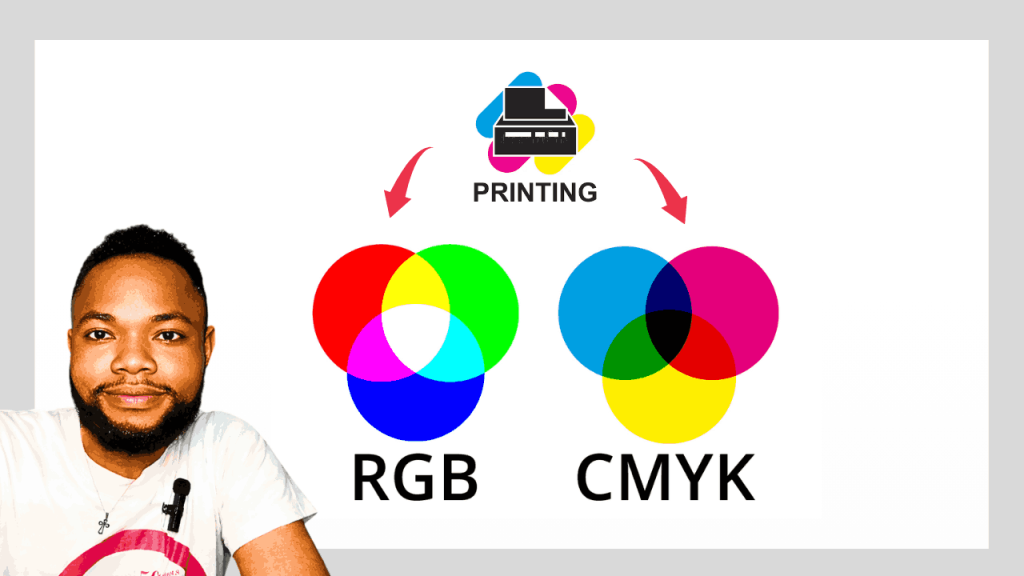
Packaging raises the stakes even higher. A product label that goes to print with wrong colour values, missing regulatory information, or dimensions that do not fit the actual container costs the client real money to reprint and delays their product launch. The technical precision required — CMYK colour setup, bleed, safe zones, dieline specifications, regulatory text placement — is something most people cannot do themselves. That expertise is what you are charging for, and the price should reflect it.
This is why branding and packaging command higher fees than most other design categories. The work is more complex, the consequences of errors are more serious, and the value delivered, a brand that sells, a label that stands out on a shelf, is measurable in commercial outcomes.
The Two Mistakes Designers Make When Pricing These Projects
The first mistake is quoting a price before understanding the scope. A client says “I need a brand identity” and you say ₦80,000 or $500 before asking a single question. Then you find out they want a logo in ten variations, brand guidelines, business cards, letterhead, social media templates, and packaging for three products. You are now committed to a price that does not fit the actual job.
Never quote for branding or packaging without a briefing conversation first. You need to know how many logo concepts you are expected to show, how many products need packaging, how many SKUs or variants each product has, what regulatory information needs to appear on the labels, what the printing method is, and whether print-ready files are included in the scope. All of those factors change the price significantly.
The second mistake is pricing the time instead of the value. A brand identity that takes you twelve hours to produce might seem like it should cost twelve hours of your time multiplied by your hourly rate. But that logic ignores what the work is worth to the client. A well-designed brand identity will represent their business for five to ten years. It will appear on every piece of printed material, every product, every social media profile. The value of that is not twelve hours. It is years of commercial use.
Price branding and packaging based on what the work is worth to the client, not purely on how long it takes you to make.
What Actually Drives the Price of a Branding Project
Before you can quote accurately, you need to understand what makes one branding project more expensive than another. Here are the factors that change the number.
Scope of deliverables. A logo on its own is not a brand identity. A full brand identity includes the logo in its variations, a defined colour palette, selected typography, usage guidelines, and usually at least one piece of branded collateral like a business card or letterhead. Each of those additions costs more time and thinking. Be clear upfront about what is included and what is not.
Number of initial concepts. Presenting two or three distinct initial directions takes more time than showing one. Some clients expect multiple concepts as standard. Others are happy to work from one direction. This needs to be agreed before the project starts, and the number of concepts should be reflected in the price.
Revision rounds. Two revision rounds is a reasonable standard for a branding project. Each round beyond that should cost extra. Not as a penalty, just as an honest reflection of the additional work involved. Build this into your proposal clearly so the client knows from the start.
Brand guidelines document. A brand guidelines document that explains how to use the logo, colours, and typography across different contexts is a separate deliverable from the logo itself. A lot of clients need it and do not realise they are asking for it. If they are going to give files to printers, social media managers, or other designers, they need guidelines. Price it separately or make sure it is explicitly included in your scope if you plan to produce it.
Existing brand system versus starting from scratch. If a client already has a colour palette and logo they want to keep, and they just need their packaging adapted to fit a new product, that is an execution job. It costs less than building a complete new brand system from nothing. Understand which situation you are walking into.
What Actually Drives the Price of a Packaging Project
Packaging pricing has its own set of variables, and they are different enough from branding to deserve their own breakdown.
Number of SKUs. One product with one size is one job. Three products with four size variants each is twelve layouts, twelve sets of regulatory text to place, and twelve print-ready files to produce. Every additional SKU adds design time, so the price needs to reflect that. I always ask clients to give me a complete list of every product and variant before I quote anything for packaging work.
Regulatory requirements. In Nigeria, NAFDAC-regulated products need specific information in specific formats on the label. In Kenya, the Kenya Bureau of Standards has its own requirements. In the UK and EU, food labelling law specifies font sizes, allergen declarations, and nutritional information formats. If a client’s product needs regulatory compliance, the design process is more constrained and more technical. It takes longer and it carries more risk if something is missed. That is a legitimate reason to charge more.
Technical file setup. A print-ready packaging file is not the same as a finished design file. It needs correct bleed, safe zones, CMYK colour setup calibrated to the print method, the right resolution for the substrate being printed on, and sometimes a dieline for die-cut packaging shapes. If you are doing all of this technical preparation, it should be in your price. If you are handing off a design file and expecting the client or the printer to handle technical setup, be clear about that.
Print method. Digital printing, flexographic printing, offset, and screen printing all have different file requirements. A label going to a digital printer has simpler technical needs than one going to a flexo press where each colour is a separate plate. Knowing the print method before you start saves rework and should be one of your first questions.
Mockup production. Some clients need photorealistic product mockups to approve the design before it goes to print. Producing those mockups is additional work. If you are creating them, include it in the scope. If you are not, say so clearly so the client knows where to get them.
How to Structure Your Fee for Branding Projects
For branding work, a flat project fee is usually the right approach. It gives the client cost certainty and it gives you a clear deliverable to work toward. The key is defining the scope tightly enough that the flat fee actually holds.
A basic logo design for a small business — one concept, two revision rounds, final files in standard formats — is straightforward to price. A full brand identity system with guidelines, collateral design, and multiple concept presentations is a bigger scope that commands a bigger fee.
My approach is to build a proposal that clearly lists every deliverable, then set a price for the full package. If a client wants to remove something to bring the cost down, I adjust the scope accordingly rather than dropping the price for the same work. This protects the rate and gives the client an honest choice.
For clients who want ongoing branding support — updating brand materials, creating new collateral, expanding the brand into new product lines — a monthly retainer is a better structure than repeated one-off quotes. It is more predictable for both sides.
How to Structure Your Fee for Packaging Projects
Packaging projects often work well as a per-SKU fee with a base rate for the first product and a reduced rate for additional products in the same range. This acknowledges that the first product requires the most setup work — understanding the brief, establishing the visual direction, creating the system — and that subsequent products in the same range are faster because the system already exists.
For example, you might charge ₦80,000 for the first label design including full print file setup, and ₦40,000 for each additional variant in the same product range. This is transparent, easy for the client to understand, and scales fairly as their product range grows.
For clients launching multiple products across different categories with different briefs, treat each category as a separate project with its own fee.
Always confirm the print specifications before setting a final price on packaging work. A job that turns out to require a dieline, six Pantone colours, and a foil finish is a different job from what you quoted for a standard digital-print label. Getting this information upfront prevents the price conversation from getting awkward midway through production.
Scope guide
What to Include at Each Branding Price Tier
Use this to build packages — not as fixed rules, but as a starting framework you can adjust per client and market.
Packaging — what changes the price
Adds cost
More SKUs or variants
Regulatory compliance text
Multilingual labelling
Technical dieline work
Offset or flexo print setup
Photorealistic mockups
Reduces scope
Existing brand system to follow
Single product, single size
Digital print only
No regulatory requirements
Client handles print liaison
No mockups needed
A Real Situation I Walked Into
A client came to me needing packaging for what they described as “a small range of food products.” I quoted for three labels based on that description.
When the full product list came through, there were eleven variants across four product categories, each with different regulatory information, different net weight declarations, and different allergen profiles. Two of the products needed bilingual text for a market they were expanding into. The quote I had given was for three straightforward labels. What they actually needed was a complete packaging system for eleven products with regulatory compliance built in.
That mismatch cost me time in a renegotiation conversation that should never have happened. I learned two things from it. First, always ask for the complete product list before quoting, not a summary of it. Second, build a clause into every packaging proposal that states the price is based on the scope described, and that changes to the number of SKUs or regulatory requirements will be quoted separately.
Now I use a simple intake form for packaging enquiries. It asks for the full product list, the intended print method, the country or countries of sale, and whether any regulatory compliance is required. That one form has saved more renegotiation conversations than I can count.
Defending Your Price When Clients Push Back
Both branding and packaging attract the same type of pushback: “Can you do it cheaper?” Sometimes this is a genuine budget constraint. Often it is a test of whether you believe your price is fair.
The most effective response is not to drop your number immediately. It is to ask what budget they are working with. If their budget is genuinely below your price, you can discuss adjusting the scope — fewer initial concepts, standard files rather than a full guidelines document, fewer SKUs covered in the first phase. This keeps your rate intact and shows flexibility on deliverables.
If they just want the same scope for less money, your answer is that the price reflects the work involved and the value the work will deliver. You can say it plainly: “This is the rate for the scope we discussed. I’m happy to adjust the deliverables if the budget is different, but the rate for this scope is what it is.”
Clients who have hired designers before and understand what professional branding and packaging work involves will accept this. Clients who do not value the work at that level were not the right client for this job anyway.